
English| EUR
Suggested for you
More currencies
Choose a language
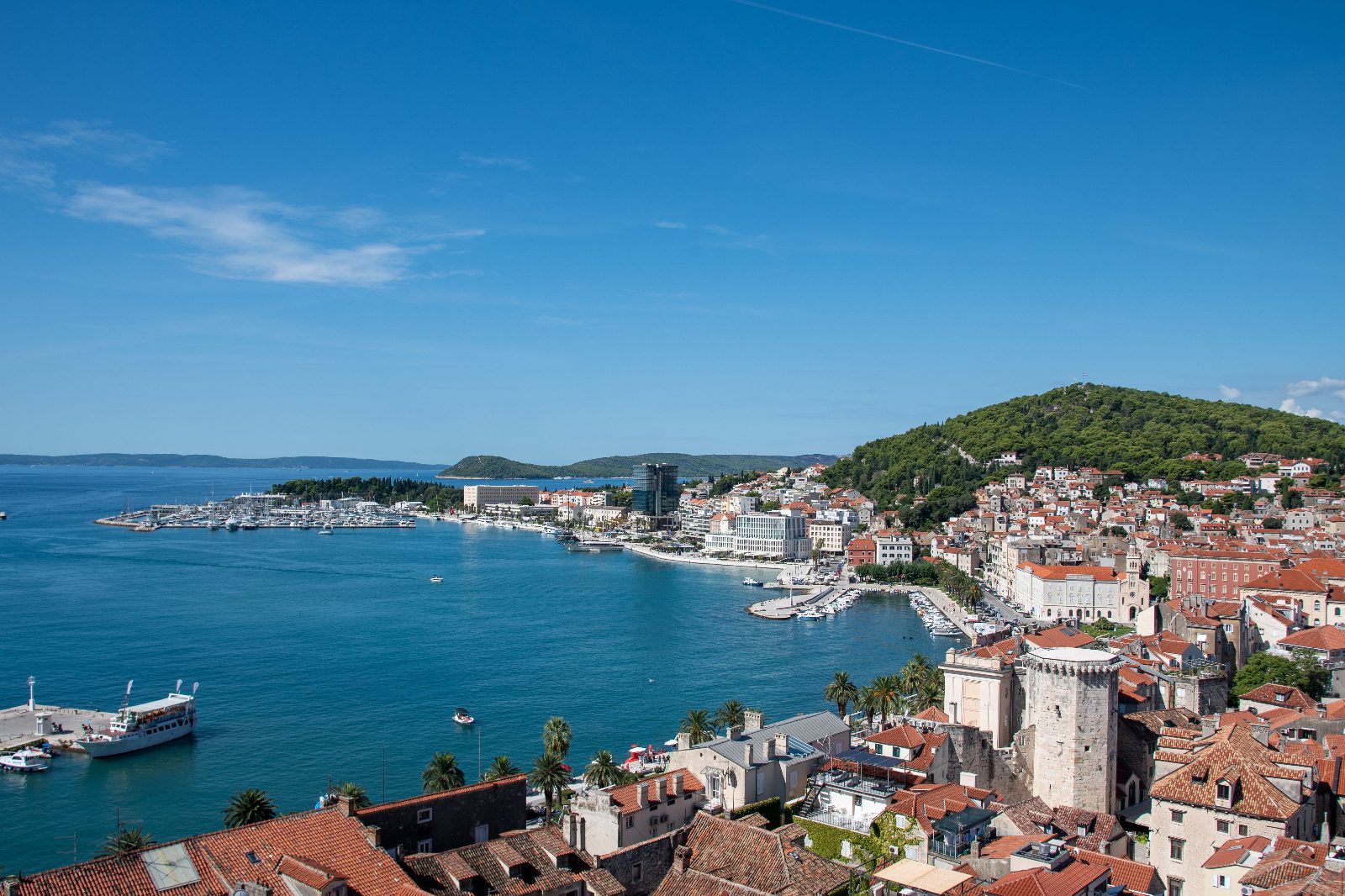
The Split Archipelago spans 79 islands across Dalmatian waters, each accessible by scheduled ferry or private charter. Understanding the split trip cost means tracking ferry fares, seasonal surcharges, and the variables that separate a €15 day trip from a €200 multi-island charter. This guide breaks down real ticket prices and the factors that shape your archipelago budget.
Quick answer
Ferry crossings from Split to the nearest islands (Brač, Šolta, Hvar) cost between €8 and €15 per person one-way on Jadrolinija catamarans, with car ferries adding €45-70 per vehicle. Private speedboat charters range from €150 for half-day trips to €600 for full-day multi-island itineraries. Seasonal demand peaks in July and August push prices up by 20-30%, while shoulder months (May, September) offer lower fares and fewer surcharges.
The Dalmatian archipelago operates on a two-tier transport economy. Jadrolinija state ferries run year-round schedules to 15 inhabited islands, charging standardized fares set by Croatia's Ministry of Maritime Affairs. A foot passenger from Split to Brač pays €8.50 in low season, €11 in high season. The same crossing with a standard car adds €52 to the bill. Catamarans—faster, passenger-only vessels—cost €13-15 per leg and shave 30 minutes off the journey, but they book out fast between June and September. Private charters reshape the cost calculation entirely. A half-day speedboat to Vis or the Blue Cave runs €150-200 split among six passengers, fuel included. Full-day tours hitting three islands (Hvar, Pakleni, Brač) cost €400-600 depending on the boat's engine size and whether lunch stops are included. These charters bypass the ferry schedule but require advance booking through Split harbor agencies or licensed skippers at the Riva promenade. Island entry itself is free—Croatia does not charge admission to its archipelago—but individual sites impose their own fees. The Blue Cave on Biševo costs €18 per person, payable at the cave entrance. Hvar's Spanish Fortress charges €8. Beaches, hiking trails, and coastal villages remain open without charge. The real split trip cost is a function of how many crossings you stack in one day, whether you carry a car, and whether you choose state ferries or private boats. Early-morning departures from Split (07:00-08:30) offer the widest route selection and lowest traffic at the harbor ticket desks.
“The real split trip cost is a function of how many crossings you stack in one day, whether you carry a car, and whether you choose state ferries or private boats.”
While access to the Split Archipelago is free, your trip budget should account for variable transport expenses, dining, and individual island activity fees. Costs fluctuate based on your choice of boat service and personal spending preferences during island stops.
How to spend less
Verdict: A budget-conscious visitor can expect to spend approximately 40 EUR per day, while a more comfortable experience ranges from 100 EUR to 200 EUR.
Access to the Split Archipelago itself is free of charge. Visitors should note that specific island attractions, historical sites, or private facilities may set their own entrance fees.
Verdict: A typical adult pays 0 EUR for access, though individual site fees may apply.
The Split Archipelago is located off the coast of Split-Dalmatia County, Croatia, and is primarily accessible via the main ferry port in Split. Travelers can choose between public ferry lines or private boat transfers depending on their budget and destination requirements.
Jadrolinija Ferry from Split Port to Supetar
Jadrolinija Catamaran from Split Port to Hvar
Private transfer from Split Riva to islands
The best arrival window is 07:00–10:00 to avoid mid-day boat traffic and heat for island exploration.
The best arrival window for the Split Archipelago is 07:00–10:00 to avoid mid-day boat traffic and heat. Planning your visit during the shoulder seasons of May, June, September, or October helps minimize peak demand.
Pleasant, 20°C–25°C
Ideal for comfortable island exploration before summer peak heat.
Hot, 28°C–32°C
High demand periods often correlate with increased transport logistics costs.
Mild, 18°C–24°C
Quieter waters and stable conditions offer a favorable environment for coastal travel.
—
Arriving during this window avoids peak daily crowds and optimizes transport utility.
Verdict: The most effective time to visit is during the shoulder months of May, June, or September, arriving between 07:00 and 10:00 to manage demand and conditions.
This sequence suits travelers splitting their boat-trip budget across multiple islands over two days, prioritizing low-cost public ferries and free beach stops.
Catch the early Jadrolinija ferry from Split harbor to Supetar (lowest fare, ~30 minutes). Claim a deck seat to avoid cabin surcharges.
Walk or cycle south to the free public beach at Bol; bring snacks to skip overpriced beachfront cafes (2–3 hours).
Board the afternoon catamaran to Hvar (book online to secure off-peak pricing). Arrive mid-afternoon to explore the harbor and fortress at your own pace.
Climb to the fortress before sunset (small entry fee, check locally); the route is free and takes 20 minutes from the port.
Share a morning water taxi with other travelers to Vis island (split fare, confirm price before boarding). Budget 1.5 hours for the crossing.
Hike down to the cove (free access, steep path); pack lunch to avoid the single seasonal kiosk's markup (2 hours).
Board the direct afternoon ferry back to Split harbor; book the return leg in advance to lock lower fares.
Everything you need to know about split trip cost
The split trip cost varies significantly depending on your choice of private boat charter versus public ferry services. While the archipelago itself has no entry fee, travelers must account for individual vessel fares and local service fees.
Entrance to the Split Archipelago is free, meaning there is no singular split trip cost for general access to the islands. However, individual island attractions or specific nature reserves may charge their own local admission fees.
To manage your split trip cost effectively, planning your arrival between 07:00 and 10:00 is recommended. This early window helps avoid the peak demand for boat transfers and ensures you can secure the best rates before daily heat and traffic surge.
Most maritime operators have distinct pricing structures for families, so it is helpful to check with specific service providers when calculating your total split trip cost. Public ferry lines often provide categorized fare reductions, while private charters usually charge by the vessel rather than per person.
There is no fixed industry price for a Split boat excursion, as costs depend on the itinerary, duration, and level of service. Visitors should compare various maritime offerings rather than assuming a uniform expense for exploring these Dalmatian landmarks.
The most common error is failing to budget for extra expenses beyond the initial transport, such as docking fees or island-specific activity costs. Accurate budgeting ensures that your overall holiday expenditure remains predictable throughout your stay in Split-Dalmatia County.
Split Boat Trips to Hvar
Read more Tickets & toursBlue Lagoon Boat Trips from Split
Read more Tickets & toursParty Boat Trips in Split
Read more Tickets & toursSplit to Blue Cave Boat Trips
Read more Tickets & toursPrivate Boat Trips from Split
Read more Tickets & toursSplit Island Hopping Boat Trips
Read more